
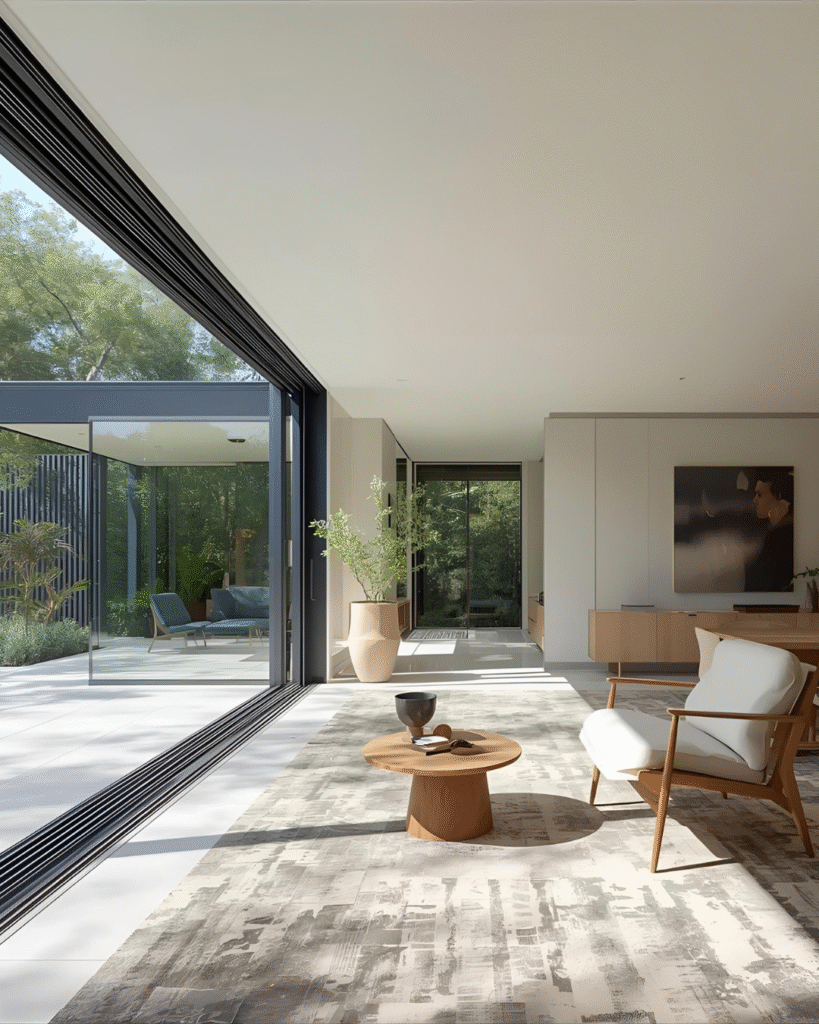
How Much Does a Home Extension Cost in Canterbury? | 2026 Local Pricing Guide
With rising property prices and limited opportunities to upsize locally, many homeowners in Canterbury are choosing to extend their homes rather than move. A well-designed home extension can add valuable living space, improve layout and significantly increase property value — but understanding the costs involved is essential before you start.
This guide explains how much a home extension costs in Canterbury, what influences pricing, the different types of extensions available, and how to budget realistically in 2026.
Average Home Extension Costs in Canterbury
Home extension costs vary depending on size, complexity and specification. As a general guide, typical extension costs in Canterbury include:
- Single-storey extension: £1,800 – £2,500 per m²
- Double-storey extension: £2,000 – £2,800 per m²
- Rear extension: £30,000 – £60,000+
- Side extension: £35,000 – £70,000+
- Wrap-around extension: £55,000 – £100,000+
These figures provide a useful starting point. Final costs depend on design, materials, structural work and the condition of the existing property.
What Affects the Cost of a Home Extension in Canterbury?
1. Size and Design
Larger extensions naturally cost more, but design complexity also plays a major role. Simple open-plan layouts are usually more cost-effective than designs with multiple rooms, bathrooms or complex structural changes.
2. Type of Extension
Different extension styles come with different cost considerations:
- Single-storey extensions – Lower overall cost and shorter build time
- Double-storey extensions – Higher upfront cost but better value per square metre
- Wrap-around extensions – Maximum transformation but higher complexity and price
3. Groundworks and Foundations
Ground conditions can significantly impact costs, particularly if:
- Deeper foundations are required
- Drainage needs to be altered
- Ground conditions are poor
A site survey helps identify potential issues early and avoid unexpected expenses.
4. Structural Alterations
Most extensions involve some level of structural work, such as:
- Removing load-bearing walls
- Installing steel beams (RSJs)
- Altering roof structures
These works add complexity but are often essential for modern, open-plan living.
5. Specification and Finishes
Internal finishes can greatly affect the final price, including:
- Flooring and tiling
- Kitchen units and appliances
- Bathroom fittings
- Windows, doors and glazing
Many homeowners choose mid-range finishes to balance quality and budget.
Do You Need Planning Permission for an Extension in Canterbury?
Many extensions fall under Permitted Development, meaning planning permission may not be required if size and design limits are met.
Planning permission is more likely to be required for:
- Double-storey extensions
- Extensions close to boundaries
- Side or front extensions
- Properties in conservation areas or near listed buildings
Canterbury has several conservation areas, so it’s important to check local planning requirements early. Regardless of planning permission, Building Regulations approval is always required.
Single-Storey vs Double-Storey Extensions: Cost Comparison
Single-Storey Extensions
- Lower overall cost
- Shorter construction time
- Ideal for kitchens, dining areas and family rooms
Best for homeowners improving layout rather than adding bedrooms.
Double-Storey Extensions
- Higher initial cost
- Better value per square metre
- Adds bedrooms and bathrooms
Often the better long-term option for growing families.
How Long Does a Home Extension Take?
Typical build times include:
- Single-storey extension: 8–12 weeks
- Double-storey extension: 12–20 weeks
Timescales vary depending on complexity, weather and material availability.
How Much Value Can an Extension Add in Canterbury?
A well-designed extension can add 15–25% to a property’s value, especially when it:
- Improves layout and flow
- Adds bedrooms or bathrooms
- Creates modern open-plan living space
In Canterbury’s competitive housing market, extensions are often seen as a strong long-term investment.
Budgeting Tips for Your Extension Project
To keep your project on track:
- Define your requirements clearly from the outset
- Allow a 10–15% contingency for unexpected costs
- Prioritise layout and structure over high-end finishes
- Request detailed, itemised quotes
- Work with an experienced local builder
Good planning helps avoid delays and budget overruns.
Why Use a Local Canterbury Builder for Your Extension?
A local builder offers:
- Knowledge of Canterbury housing styles
- Familiarity with conservation and planning considerations
- Reliable project management
- Access to trusted local trades and suppliers
Local builder experience helps ensure your extension is delivered efficiently, safely and to a high standard.
Final Thoughts
Understanding home extension costs in Canterbury is a crucial first step before starting any building project. While prices vary depending on size and specification, careful planning and professional advice can help you achieve excellent results within your budget.
Whether you’re extending to create more space, improve functionality or add long-term value, a well-planned home extension remains one of the most effective property improvements in 2026.